


Healthy Workers Keep America’s Ports Moving
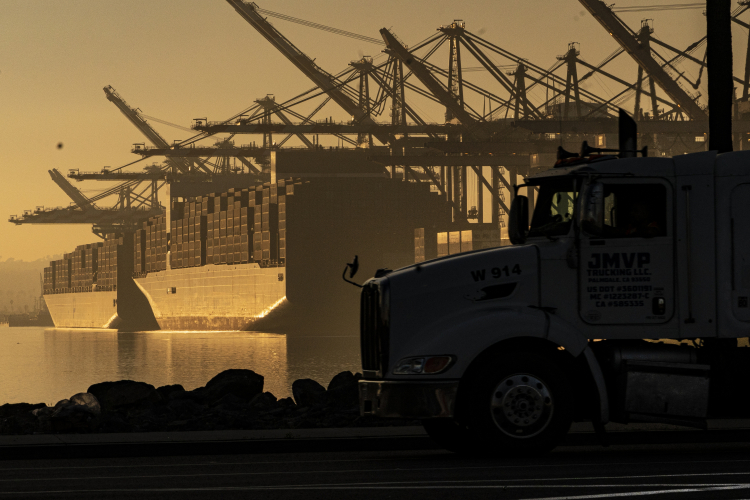
The United States economy meets the world at the port. Nearly everything on our store shelves, the food and goods our farmers and manufacturers sell abroad, and the energy that powers the country moves across our docks. Activity along the Houston Ship Channel alone supports more than 3.5 million American jobs. When our ports run well, the country runs well.
But ports don’t run themselves - thousands of workers are the basis of the movement of goods in the economy. They are only as strong as the longshoremen, crane operators, truck drivers, mechanics, and terminal workers are. And every day, those workers spend their shifts beside massive cargo ships, tankers, and cruise liners that keep their diesel engines running the entire time they’re docked.
A ship at berth still needs power for its lights, refrigeration units, and pumps. Unless it has another option, it gets its power by burning fuel - usually diesel - at the pier, and the exhaust settles over the docks and neighborhoods close to them. Diesel exhaust is classified by the World Health Organization’s cancer research agency as a carcinogen linked to asthma, heart disease, and lung cancer. And the first people breathing these toxic fumes are the American workers our supply chains depend on.
That impact on the health of port workers has a real cost to our economy. A dockworker out sick with a respiratory illness is a shift that goes unfilled. A trucker managing a chronic condition is a driver who spends less time on the road. A parent home with a child in the middle of an asthma attack is a worker missing from the job. Multiply those numbers across every major port in the country, and the toll shows up in slower supply chains, higher employer health premiums, and bigger bills for Medicare, Medicaid, and the taxpayers who fund those programs.
The good news is that we already have a proven answer to this problem. Shore power allows a docked ship to shut off its engines and plug into the local electric grid directly. Where shore power isn’t practical, approved emissions-capture systems pull pollutants out of the exhaust before they ever reach the air. The technology has been proven to work at ports across the country. Additionally, the U.S. Navy has plugged its ships into pier-side power for decades. Ports in Juneau, Seattle, Miami and Fort Lauderdale have built shore power into their berths, not because lawmakers have forced them to, but because it makes their ports better places to do business.
The results speak for themselves. Where ships have been required to plug in or capture emissions, regulators projected the cancer risk in nearby communities would be cut by 55% and would avoid $2.44 billion in healthcare costs, enough to outweigh the cost of compliance. That is a return on investment any business owner would recognize.
Yet Congress is now considering a resolution that would roll back one of the country’s strongest standards for ships at berth. Global shipping companies, most of them foreign-owned, should play by our rules - rules that exist to protect American workers and families. Do we really want to let them off the hook? The cost would fall on American workers, American employees, and American taxpayers. Passage would also tell every port and business which has invested in this technology that the ground can shift beneath them at any time, despite these investments into better air quality and fuel savings. Is that a message we want to send?
Public health advocates have taken notice. After the House voted to roll back these requirements, American Lung Association President and CEO Harold Wimmer said, “Overturning health protections for communities most impacted by port and harbor pollution is wrong," and urged Senators to vote no.”
Keeping our ports strong keeps our country strong. That starts with keeping the people who run them healthy. Asking the world’s largest shipping companies to plug in while they are docked is common sense. The Senate should reject this resolution.
