


The United States has long led the world in medical innovation. In cancer care, that progress has produced treatments that are more targeted and increasingly capable of treating disease while protecting healthy tissue, saving lives and reducing longer-term costs.
Our health care policies should support and encourage that progress.
However, a proposed Medicare payment policy for proton radiation therapy raises the question: Are our reimbursement systems keeping pace with medical innovation, or creating barriers to it?
Radiation therapy is an essential and cost-effective part of cancer care. It can cure disease, preserve organs and function, and provide an alternative to more invasive treatments. Advances in imaging, planning and delivery continue to make radiation more precise.
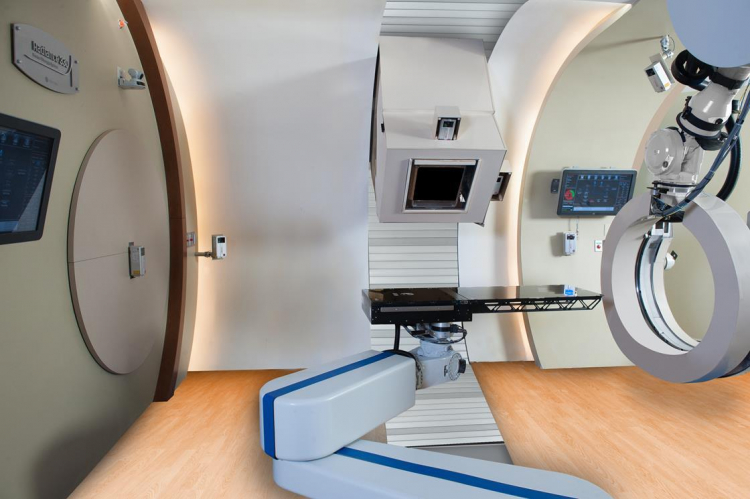
Proton therapy – a medical innovation born in the U.S. – is an example of that innovation. It can target a tumor while substantially reducing unnecessary radiation to surrounding healthy tissue. That is especially important for children who may have otherwise healthy, growing bodies beyond their cancer, patients with tumors near critical organs, and patients who require a second course of radiation.
The value in cancer care should not be measured solely by the reimbursement for an individual treatment. We should also consider whether treatment reduces complications, protects healthy tissue and helps patients remain healthier during and after cancer care.
That principle is particularly relevant as the Center for Medicare and Medicaid Services considers changing how Medicare pays freestanding proton therapy centers.
The proposed policy would replace longstanding local contractor pricing with national rates that would reduce reimbursement for many centers. These centers treat some of the most complex cancer patients, and the clinical and technical resources required to deliver proton therapy do not change based on where the treatment is provided. All proton therapy requires specialized equipment, facilities and clinical teams.
There are important economic considerations as well. An analysis of Medicare claims found lower hospitalization and emergency department use among proton patients during the 90 days after the start of treatment. Medicare spending on those services was 36 percent lower per episode compared with patients receiving the other radiation modalities included in the analysis.
A reduction in Medicare reimbursement would be out of step with supporting American medical innovation, and a long-term setback economically.
The world is catching on and catching up to the value of such therapy.
More than 60 new particle therapy centers are being developed internationally, including in China, India, Korea, Italy, Spain and Taiwan. As other countries invest in advanced cancer technology, U.S. policy should not unintentionally weaken the infrastructure that allows innovation to continue here.
There are currently just 53 proton centers in the U.S., with 17 based in communities outside of hospital buildings. These centers treated 19,000 patients in 2025, or about 2 percent of U.S. radiation therapy patients.
The evidence supporting proton therapy is advancing. Recent research includes the first reported randomized Phase III proton versus photon trial, along with prospective studies evaluating survival, cognitive function, quality of life and treatment related effects.
The answer is not simply to spend more. It is to spend smarter.
There is a practical path forward: CMS can maintain the existing contractor-based approach while working with stakeholders to develop a national methodology grounded in the actual resources required to provide proton therapy.
We do not have to choose between innovation and affordability. We can spend smarter while supporting treatments that reduce unnecessary harm and advance more precise cancer care.
The next generation of cancer care is being built now. Federal policy should ensure America remains the global leader in medical innovation, and where Americans can benefit from the greatest cancer care.
David Mansdoerfer is the former Deputy Assistant Secretary for Health at HHS.
