


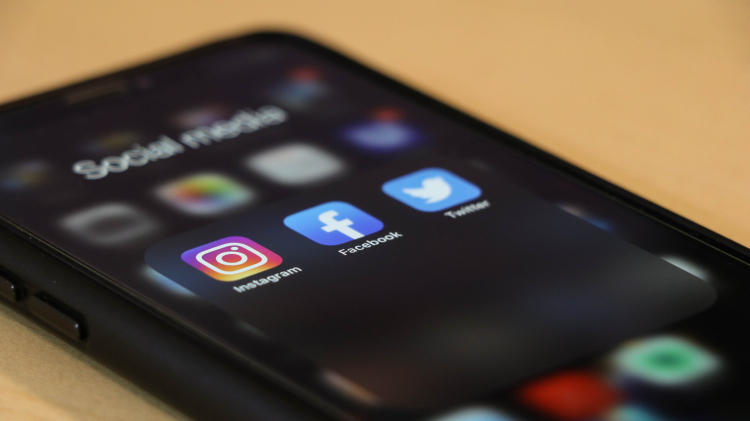
Youth mental health is a broad reaching term for an extremely complex, multifaceted challenge. In healthcare, we rarely address these types of complex conditions with a single intervention. But too often, the debate surrounding youth mental health focuses on narrow approaches and quick fixes, such as simply banning devices, video games, or social media.
As clinicians working with kids facing a mental health challenge, we would never approach an individual’s situation with a predisposed solution or blanket prescription because we know that every child is unique in their needs and life circumstances. It’s time we apply an approach that considers the physical, mental, and social well-being of the adolescent to the broader national conversation about our kids’ well-being.
Across behavioral health settings, clinicians and families are navigating a wide range of challenges simultaneously. No two young people experience mental health challenges or stressors in the same way, even when living under the same roof. One child may be struggling because of chronic stress at home or the pressure to be an outstanding student. Another may be dealing with untreated anxiety or weight issues. Another may be facing economic or food insecurity, impacting their ability to focus in school. For some kids, it’s all or any combination of the above and much more. Unless we take a holistic approach, we’ll never know what factors are truly driving distress, or what supports would help them thrive.
So, how do we consider this challenge? As a parent, I deeply sympathize with the temptation to look for the easy answer. Watching my own children, I’ve learned first-hand that there are none. While we all want the best outcome for our kids, the easy answer may not be the right answer in every case.
The more we study youth mental health, the more we see that sweeping bans of smart phones, gaming, or social media may not be the silver bullet some hoped for. For example, a recent study by the National Bureau of Economic Research reveals a mixed bag: reduced usage, but limited improvements in broader measures like academic performance, attendance, and overall student wellbeing. A JAMA study published earlier this year focused on addictive use of social media, moving the conversation away from bans and toward early identification of youth demonstrating a pattern of problematic use.
The takeaway here should be that when it comes to navigating youth mental health, we need to look at solutions comprehensively and thoughtfully. Parents across the country tend to agree with this. In fact, according to new research from the Coalition to Empower our Future, nearly three-in-four say they prefer a comprehensive approach to youth mental health to a narrow, one-off solution.
The poll also found that 80 percent of parents worry that narrow approaches like bans could create unintended consequences. While it’s too early to draw firm conclusions, early findings on the efficacy of social media bans overseas show that parents’ instincts here may be correct. A study from the Molly Rose Foundation showed that most Australian teens have found a way to continue using social media despite the ban, and report that it has had little impact on their wellbeing. As a parent, I fear kids moving away from sites that can be regulated and curated to promote safety and well-being to sites that are operating under the radar and may pose harm.
Do we need to be concerned about social media’s impact? Absolutely, but looking at social media use in isolation may risk missing other critical factors including the many offline pressures that shape a child’s daily life.
From a clinical perspective, addressing this issue comprehensively means investing in prevention, identification, and early intervention before young people reach a crisis point. It also means integrating behavioral health more fully into pediatric and primary care settings, expanding school-based mental health resources, and ensuring families can access support before challenges escalate into emergencies. Too often, families encounter fragmented systems, long waitlists, or barriers to care at the very moment they need help most.
We also need to ensure that we are funding things like afterschool activities and mentorship opportunities for our young people. We know that supportive communities like those found in the arts and sports, and strong mentors can make a world of difference in a kid’s life, helping them build confidence and mental resiliency.
And beyond policy change, we need to ensure that parents feel informed and empowered to help their kids navigate the online world, set limits, and engage with technology responsibly. And parents should engage their children to better understand the unique pressures and fears they may be facing.
Youth mental health is one of the defining challenges of our time. Social media and technology are part of that conversation, but research shows us that they are not the whole story. Rather than grasping at quick fixes, we need to coalesce around thoughtful solutions that reflect today’s realities – solutions that safely guide kids and parents alike in navigating an increasingly digital world, rather than ones that naively assume we can relegate that world into nonexistence.
Dr. Caroline Carney is a board member of Coalition to Empower our Future and CEO of Magellan Health and the Behavioral Health Chief at Heart City Health Center.
