


When Washington fails to police its own programs, it’s hardworking Americans that pay the price. Look no further than the Medicare home health and hospice benefits. In recent months, the Trump administration has identified a small but significant number of bad actors that have cheated the system. These fraudsters aren’t just stealing taxpayer dollars — their actions are threatening access to quality care and undermining patients and families’ trust in Medicare. Those criminals should be removed from federal programs and prosecuted.
Fraud in this sector is a serious issue, and it’s one that needs to be dealt with. But that’s not the full story. Not even close.
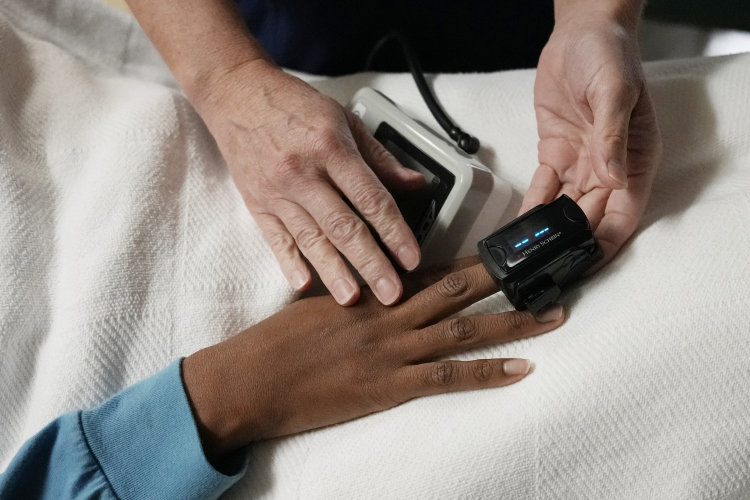
Home health and hospice help millions of families every year. Most providers are doing the right thing — sending nurses into people’s homes, helping patients recover from surgery, empowering Americans to better manage chronic disease, and supporting families as they take care of a loved one who is dying. Every day, care teams are welcomed into people’s homes, sit at kitchen tables with families, and help Americans through some of the hardest days of their lives.
This is especially true in rural communities, where local hospice and home health care help individuals avoid hours-long travel and instead receive care in their communities, surrounded by friends and family. These care options provide comfort and peace for these patients in their preferred setting — one’s own home — rather than back-and-forth drives to faraway hospitals.
It also helps support the long-term stability of the Medicare system. In the case of hospice, one recent analysis found that if patients who already choose hospice were able to enroll just five days earlier, Medicare could save more than $1 billion per year. Earlier access to care often means fewer hospitalizations and emergency room visits at the end of life. That’s better for patients and taxpayers alike.
Yet, I worry families hearing all this talk about fraud will become afraid of considering the Medicare hospice and home health benefits. When people avoid hospice or home health when they need it, they usually end up in the hospital, or even the ER. That’s not just harder on patients and their caregivers; it’s a lot more expensive for families and Medicare too.
So yes, the Trump administration should go after fraud. But we must do it in a smart way. Target the bad actors. Shut them down. Strengthen oversight. Just don’t make it harder for the good providers — the ones taking care of patients — to keep doing their jobs.
The home health and hospice community has been asking for this kind of targeted oversight for years. They want the bad actors out too. There are ways to do this that focus on suspicious billing, stopping fraudulent providers from getting into the program in the first place, and giving regulators better tools to act quickly when something looks wrong. That’s how you protect taxpayers without hurting patients.
This doesn’t have to be a choice between fighting fraud and protecting access to care. We can and must do both: root out fraud and protect access to high-quality hospice and home health care at the same time.
Hospice offers comfort and support for patients and families during one of the most difficult moments in life. Home health helps seniors and those with chronic illness and disability recover safely at home and stay out of the hospital. These programs are lifelines for millions of American families, particularly in rural areas.
The Administration deserves credit for taking program integrity seriously. As the midterms approach and conservative contenders take a stance on this issue, we need strong leaders to finish the job the right way, by targeting fraud, removing bad actors, and making sure that patients and families still have access to the care they need.
Peter J. Pitts, a former FDA Associate Commissioner, is President of the Center for Medicine in the Public Interest
