


Last December, HHS Secretary Robert F. Kennedy Jr. convened patients, clinicians, and researchers for a historic Lyme disease roundtable. He spoke personally about spending time in nature and picking ticks off himself. The Secretary lamented that the risk of Lyme disease has made the woods “hazardous across this country,” making it harder for American children to enjoy the outdoors as part of a healthier lifestyle. It was a powerful, overdue moment of recognition. And it points toward an important question: Now that Washington is paying attention, what real solutions can we give Americans?
Lyme disease is a serious and growing threat with 87 million Americans at high risk of contracting the disease because they live, work or vacation in a tick-endemic area. Emergency room visits for tick bites surged in 2025, driven by a surge in deer ticks carrying the disease. This sharp increase raises concerns not only about new infections but also about the lasting toll on up to 20% of Lyme patients who develop long-term symptoms. An estimated two million people with persistent Lyme — sometimes called Long Lyme — suffer from widespread pain, fatigue, sleep disturbances, and brain fog, often with lasting neurological damage even after antibiotic treatment. According to the U.S. Department of Health and Human Services (HHS), the annual economic burden is likely in the billions. And ticks are spreading beyond their traditional strongholds in the Northeast, Mid-Atlantic, and Upper Midwest, following warmer temperatures into new regions.
Against this backdrop, our prevention toolkit has been woefully inadequate. Check for ticks. Wear long pants. Shower after a hike. These are the recommendations physicians have repeated for decades without other options. They are sensible, but wholly insufficient against an expanding epidemic.
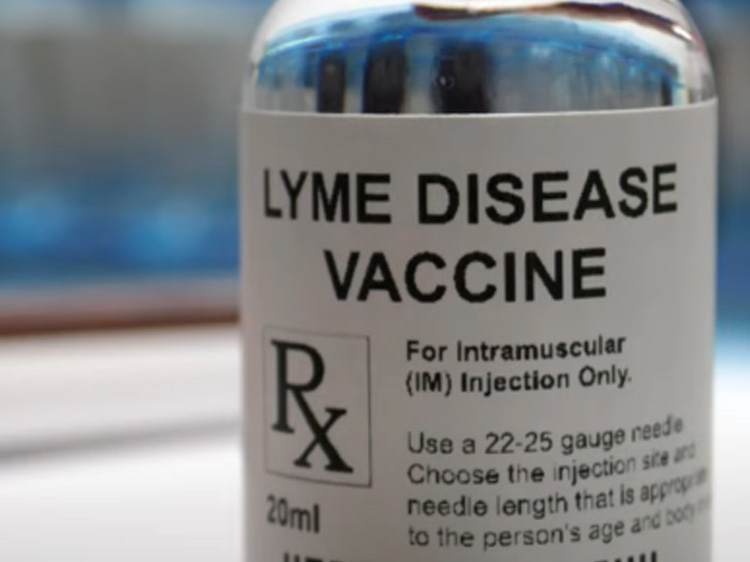
Scientists are now developing two distinct and complementary approaches to Lyme prevention. The first is vaccination. Pfizer and Valneva have developed VLA15, a vaccine candidate that would be the first Lyme vaccine available to Americans in decades. Pfizer recently announced the vaccine missed the primary endpoint in its Phase 3 clinical trial, raising questions about whether it will be approved though the regulatory process or if so, in what time horizon.
The second approach, which Tonix, the company I co-founded and lead, is pursuing to provide passive immunity by providing a long-acting prophylactic, rather than using a vaccine to induce someone's immune system to generate its own antibodies. Our candidate, TNX-4800, is a human monoclonal antibody that targets outer-surface protein A (OspA) on the Borrelia bacteria responsible for Lyme disease. Rather than asking a person’s immune system to generate its own antibodies – a process that can be slow, inconsistent, and, for some patients, problematic – TNX-4800 delivers a precisely engineered antibody directly.
When a tick bites and ingests blood containing TNX-4800, the antibody kills and blocks the maturation of Borrelia burgdorferi in the tick before transmission can occur. A single administration is designed to provide immunity within two days that lasts for at least four months – without requiring multiple doses or triggering immune responses.
A future in which Americans have access to a tool that prevents Lyme disease would reshape how millions of Americans relate to the outdoors. Taking on this challenge will let Americans feel safer while their children play in the woods, hike, and reconnect with nature; that is not a small thing. Washington is asking the right questions about Lyme disease. The answers are closer than they’ve ever been. Now it’s time to deliver them.
Seth Lederman, MD, is a physician, scientist, and CEO and co-founder of Tonix Pharmaceuticals.
