


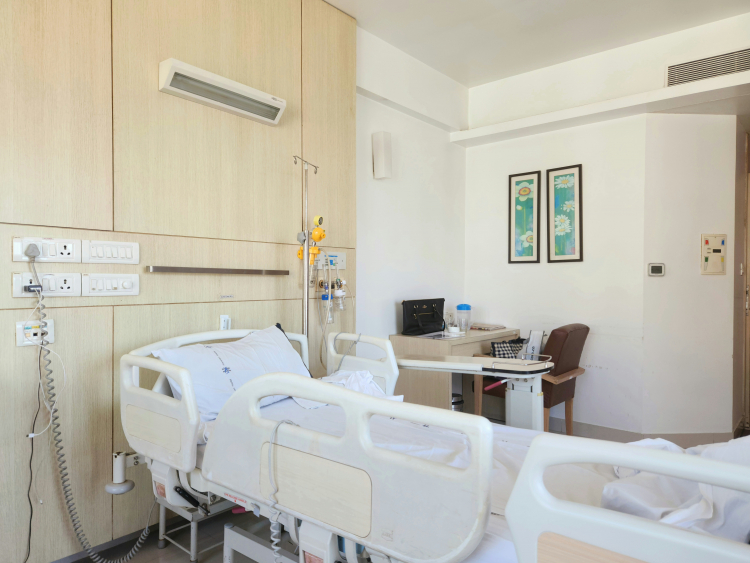
With winter here, hospitals across the country are experiencing the annual surge in elective surgeries.
Everyone considering a procedure during this busy season should have a surgery pre-op checklist. This is especially true for seniors, and particularly when it comes to anesthesia. While age is often seen as the main concern for older patients and anesthesia, frailty is the real game-changer.
What is frailty, and how is it measured?
Frailty is a medical concept that describes how vulnerable an older person is to health problems, especially when facing surgery or illness. Unlike age alone, frailty looks at the whole person: how strong they are, how well they move, how sharp their mind is and how well their body handles everyday challenges. Doctors know that frail patients are more likely to have complications after anesthesia or surgery, so understanding frailty helps them plan safer care.
To measure frailty, doctors use special checklists or scales that consider several factors. They look at nutrition (is the patient eating well?), mobility (can they walk or get out of bed easily?), cognitive status (is their memory and thinking clear?) and chronic medical conditions (like diabetes or heart disease). Sometimes, doctors ask questions or do simple tests to see how well a patient can perform daily activities. The results help them decide how risky a procedure might be and what extra steps are needed to keep the patient safe.
If a senior is facing surgery, it’s important they and their families ask their doctor two important questions: “How is my frailty being measured?” and “What can I do to improve my score before surgery?” Small changes, such as eating more protein, staying active or managing chronic conditions, can make a big difference. By understanding frailty and working with the care team, senior patients can help ensure a safer experience with anesthesia and a smoother recovery.
It’s also critical for seniors to protect their brains when heading into a procedure.
Delirium and cognitive dysfunction are types of confusion that can happen to older adults while recovering from surgery, especially after anesthesia. Delirium is a sudden change in thinking and awareness. It can make someone feel disoriented, have trouble focusing, or even see or hear things that aren’t there. Cognitive dysfunction means having problems with memory, attention, or clear thinking, and it can last for days or weeks after surgery. These issues are more common in seniors and can be scary for both patients and families.
There are simple steps seniors can take to lower their risk of confusion after surgery. Keeping the lights on in their hospital room during the day helps their brain know when it’s daytime, which can prevent them from mixing up night and day, which is a common problem in hospitals. Bringing familiar items from home, like photos or a favorite blanket, can make their hospital room feel safer and less stressful, which helps reduce anxiety and confusion. Also, patients should try to minimize narcotic pain medications (like opioids) when possible, because these drugs can make confusion worse.
Before a procedure, seniors should talk to their anesthesiologist about ways to protect their brain and lower their risk of delirium or memory problems. They should ask what steps they can take before and after surgery, and make sure their care team knows about any past issues with confusion.
Seniors and their families should also know that there’s no universal “best” anesthesia for them. Anesthesiologists tailor their approach based on the patient’s health and the specific procedure. Senior patients should ask about regional versus general anesthesia and which is safest for them.
Finally, like any patient working to ensure their best anesthesia experience during surgery, seniors should make sure they eat nutritious, protein-rich foods and stay hydrated ahead of their surgery, making especially certain to follow prescribed diets for conditions such as diabetes or hypertension. They should ask their physician which medications to take or hold on the day of surgery and make sure chronic conditions such as blood pressure and diabetes are well-managed.
This winter, as elective surgeries fill hospital schedules, seniors and their families should put anesthesia preparation front and center. Frailty, not age, is the key risk factor, and there are concrete steps patients can take to improve their outcomes. Patients should ask questions, prepare early and bring an advocate to every appointment. With the right preparation, recovery can be smoother for America’s seniors.
Ronak Desai, M.D., is an anesthesiologist with U.S. Anesthesia Partners in the Dallas-Ft. Worth area.
