


A recent announcement by the Trump Administration updating dietary guidelines for Americans is a win for the Administration and all Americans. Federal bureaucrats of the past had used these guidelines to promote irrational recommendations not based on science. The Make America Healthy (MAHA) movement took a step forward with the issuance of guidance for the years 2025-2030 that are logical.
The dietary announcement made headlines because of changes to the approach to alcohol consumption, yet the recommendations seem to be common sense recommendations that remove arbitrary recommendations of the past. The U.S. Department of Agriculture (USDA) announced on January 7, 2026, “U.S. Department of Health and Human Services Secretary Robert F. Kennedy, Jr. and U.S. Department of Agriculture Secretary Brooke Rollins today released the Dietary Guidelines for Americans, 2025–2030, marking the most significant reset of federal nutrition policy in decades. The new Guidelines deliver a clear, common-sense message to the American people: eat real food.” They cited a national health emergency with 90% of health care spending today dedicated towards chronic disease linked to diet and lifestyle with 70% adults overweight or obese.
In my personal experience, I have changed my diet significantly over the years to be healthier. I do eat unhealthy foods, with pizza and McDonalds being my Achilles heel, yet I balance that off with more salads and fruits in my diet. Walking, running sometimes and weightlifting are a good way for me to feel better about myself, yet I don’t need an overbearing government to wag a finger at me when it comes to having a beer, or two, with friends when socializing. The new guidelines will be followed by many and respected by me, because they make sense and are not overbearing.
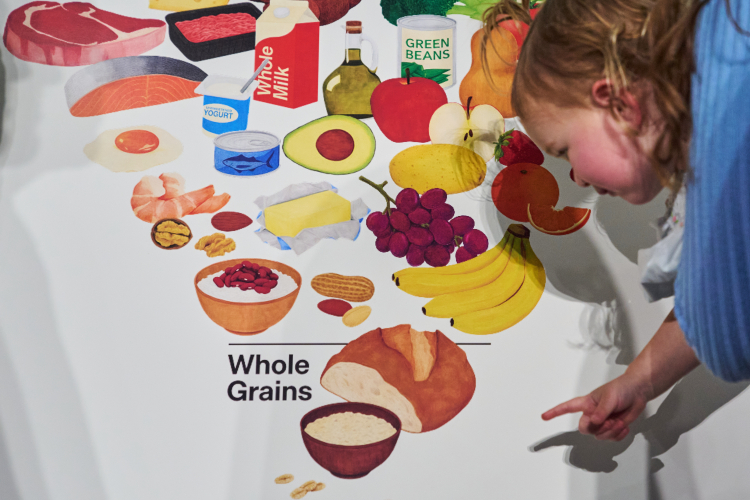
The top line message from the nutrition guidelines was that Americans should eat whole, nutrient filled foods. They promoted protein, dairy, vegetables, fruits, healthy fats and whole grains. This push was welcomed by American farmers. The American Soybean Association applauded the changes and announced, “Soybean oil and soy protein play a critical role in the health and nutrition of Americans. U.S. soybean farmers are proud to grow a heart-healthy and high-protein crop that can feed the country and the world.” Recommendations that push people away from processed foods and unhealthy snack foods is a great way to attack the expanding waste lines of Americans.
Controversy was ginned up because the guidelines stepped away from recommendations of the past on alcohol consumption that were not based in science. The new guidance urged restraint but removed specific limits on daily consumption that included a one drink limit for women and two for men. There were recommendations that pregnant women, those with a history of alcohol problems and those with medications should abstain, but the arbitrary drink limits and distinction between men and women were eliminated. These are great recommendations read together that are consistent with a healthy move towards a less heavy and healthier American public.
These changes also recognized that there are benefits for some moderate alcohol consumption. Dr. Mehmet Oz argued that the previous restrictions were not based in science. Dr. Oz recognized that fact that “alcohol is a social lubricant that brings people together” and “there's probably nothing healthier than having a good time with friends in a safe way.” He referenced the fact that in some countries that have a longer life expectancy than Americans, “where people live the longest, alcohol is sometimes part of their diet.” He stressed moderation and consumption in small amounts.
Nobody wants a Nanny State telling adults when they can and cannot drink a beer. Think about it this way – when you have a beer you consume an average of 5% by volume, yet with liquor it is 40%. People understand that a beer is far different than a rum and coke. The government does not need to tell you this, it is common sense to understand that two beers is far different that drinking a beverage with a high content of a spirit. The takeaway is that we don’t have government guidance anymore that nobody respects because it was so irrational.
The Trump Administration has reformed dietary guidelines in a way that Americans will respect and follow. I have yet to meet a person who is in a bar and says they can’t have a third beer because the government recommended, they don’t. I have had conversations where moderation is urged and the guidance reflects real world situations where people will follow them. Consider the changes in dietary guidance a victory for the MAHA movement and an example of government undoing the decades of bureaucrats attempting to speak down to the American people with unrealistic recommendations that were unlikely followed by the very men and women who wrote them.
